If your buyers are asking about an "NMN serum," they are following one of the biggest stories in longevity. Nicotinamide mononucleotide (NMN) is famous as a precursor to NAD+, the coenzyme involved in cellular energy, and it has moved quickly from supplements into skincare.
But the honest story is more nuanced than the marketing. NMN is a legitimate cosmetic ingredient with a clear regulatory pathway in China, yet much of the strongest evidence comes from oral or in-vitro research rather than topical human trials. For an export brand, the opportunity is real, but it depends on getting the ingredient facts, the use level, and the claims exactly right.
This guide explains what NMN actually is, how it differs from niacinamide, what a topical product can and cannot be said to do, the regulatory picture in major markets, and how to source it responsibly.
The 30-second answer
• NMN (INCI: Nicotinamide Mononucleotide; CAS 1094-61-7) is a water-soluble nucleotide and a precursor on the pathway to NAD+.
• In cosmetics it is used as a functional, skin-conditioning ingredient, typically in serums and creams. In China it has been formally registered as a new cosmetic raw material (filing number 国妆原备字 20230031), positioned as a humectant, with a maximum use level of 3.3% and an exclusion for spray and lip products.
• The best-evidenced topical NAD+ precursor remains niacinamide (vitamin B3), which has decades of replicated skin research. NMN's topical human evidence is still emerging, so credible products pair it with proven actives rather than relying on it alone.
• In the United States, the FDA's action concerned dietary supplements, not cosmetics; NMN's status in supplements is contested, while topical cosmetic use is a separate category. The EU treats an ingredient not yet in its common inventory as a novel ingredient requiring safety assessment.
• Claims must stay at the cosmetic-appearance level. A topical serum cannot be marketed as restoring systemic NAD+, reversing biological aging, or producing a drug-like longevity effect.
What NMN actually is
Nicotinamide mononucleotide is a small nucleotide made of a nicotinamide molecule, a ribose sugar, and a phosphate group. Its molecular formula is C11H15N2O8P and its molecular weight is about 334 Da. It appears as a white, odorless, water-soluble crystalline powder.
In biochemistry, NMN sits one enzymatic step before NAD+, a coenzyme present in every living cell. NAD+ supports energy metabolism and the activity of enzymes involved in DNA maintenance and cellular regulation, and tissue levels are widely reported to decline with age. This is why NMN became a focus of longevity research, and why that story eventually reached skincare.
The crucial distinction for a brand is the route and the evidence. Most of the strong NMN research examines oral intake measured in the blood, or cells and animals in a laboratory. Applying NMN to skin is a different question, and the direct, human, topical evidence base is comparatively young. The ingredient being genuinely involved in NAD+ biology is not, by itself, proof that a cream delivers a longevity result.
NMN vs niacinamide: do not confuse them
Buyers often assume NMN and niacinamide are interchangeable because both relate to NAD+. They are related, but not the same.
• Niacinamide (nicotinamide, vitamin B3) is a long-established topical ingredient with a large body of replicated clinical work supporting the appearance of even tone, barrier function, refined pores, and fine lines. It is inexpensive, well understood, and already present in a huge share of serums.
• NMN is a more immediate biochemical precursor to NAD+, but its topical skin-specific human evidence is still developing. It is positioned as a next-generation, longevity-inspired active rather than a proven replacement for niacinamide.
This matters commercially: some premium "NAD+" or "NMN" products are, in practice, leaning on niacinamide or a blend of precursors for most of the demonstrable benefit, while charging a longevity premium. A credible private-label product is transparent about this and often combines NMN with niacinamide, peptides, or hyaluronic acid so that the formula delivers proven surface benefits while the newer ingredient plays a supporting role.
What a topical NMN product is realistically positioned for
When described within cosmetic boundaries, NMN is used in products aimed at the look of vitality, smoothness, and comfortable, well-hydrated skin — particularly for skin that looks tired, dull, or exposed to environmental stress. Common positioning includes:
• A modern, longevity-inspired serum for a refreshed, energized appearance.
• A hydrating and skin-conditioning treatment supporting a smooth, supple feel.
• An anti-aging formula combined with niacinamide, peptides, or hyaluronic acid for the look of firmness and fine lines.
• A post-treatment or recovery-oriented product for a calm, comfortable look.
The benefit should be framed as gradual and dependent on the full formula and consistent use. NMN should not be presented as a standalone miracle active.
Use level, pH, and formulation
The formal Chinese new-raw-material registration gives specific, useful parameters that formulators commonly reference.
Use level. The registration sets a safe maximum of 3.3% in the finished product. In practice, cosmetic serums commonly use NMN in the low-percent range (many formulas land around 0.5% to 3%), and a conservative starting point around 1% is typical for development. Higher loading does not guarantee better results and raises cost.
Product-type limits. The Chinese registration applies to all cosmetic types except spray products and lip (mouth/lip) products. An export brand building for the China market should respect these exclusions and confirm current requirements with its manufacturer.
pH. NMN is described as moderately stable in aqueous systems within an acidic-to-mild range; the raw-material documentation references a pH around 3 to 4 for a 10% aqueous solution. As always, the finished formula and its stability data determine the true operating range.
Processing. Like peptides, NMN is best added during the cool-down phase below roughly 40°C (104°F), after emulsification, and pre-dissolved in water before incorporation into serums, gels, or emulsions. Prolonged heat, high humidity, and strong light should be avoided.
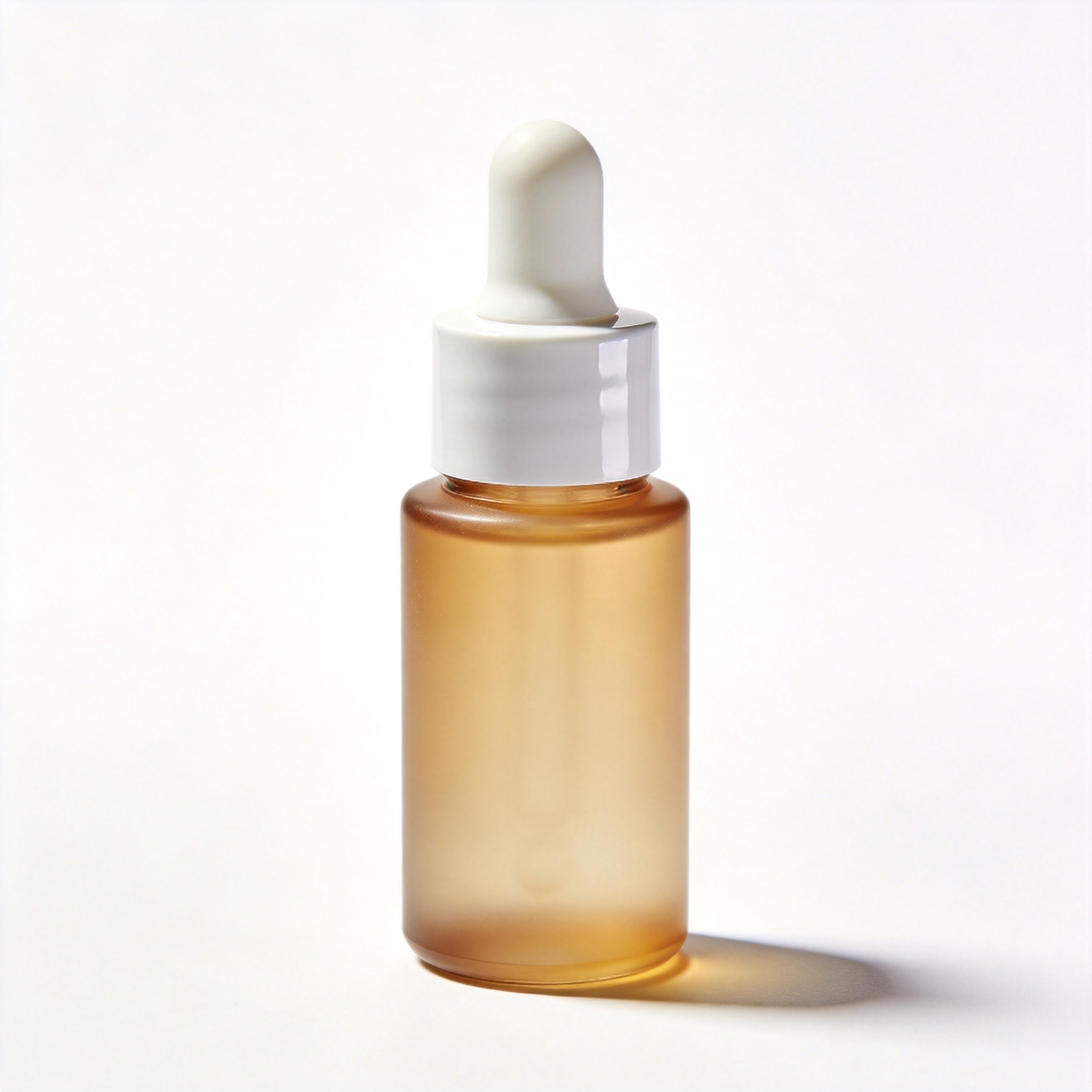
Packaging and storage. Because the ingredient is sensitive to heat, moisture, and light, opaque or amber airless packaging is a sensible choice, and the finished product should be stored in a cool, dry place away from direct sunlight.
The regulatory picture, market by market
One of the most common questions is whether NMN is "banned." It is important to separate supplements from cosmetics.
United States. In November 2022, the FDA took the position that NMN is excluded from the definition of a dietary supplement because it had been authorized for investigation as a new drug before it was lawfully marketed in supplements. That action was about ingestible supplements, not about cosmetics, and it was not based on a safety finding against NMN. The position has been contested in court; in 2024 a federal court halted related enforcement while litigation proceeds, and the agency was directed to address a citizen petition. For a brand, this means supplement use is legally uncertain and marketplaces have restricted such products, while topical cosmetic use is a different regulatory question that should be confirmed with qualified counsel for the specific product and claims.
China. NMN has a clear cosmetic pathway. It was registered as a new cosmetic raw material in 2023 as a humectant (filing 国妆原备字 20230031) with a 3.3% maximum and exclusions for spray and lip products, and it has since been added to the used-ingredient inventory (IECIC II), which broadens formulation flexibility.
European Union. Where an ingredient is not yet listed in the EU's common cosmetic ingredient inventory, it is treated as a novel ingredient that must undergo a safety assessment before use. Brands entering the EU should work with a manufacturer that can support the required product safety information.
The practical takeaway: NMN in a topical cosmetic is a viable, regulated category in important markets, but the exact requirements shift by region and evolve over time. A responsible manufacturer documents the pathway for each target market rather than relying on blanket claims of "approved everywhere."
Claims: what you can and cannot say
Acceptable cosmetic framing describes appearance and feel: supports the look of vitality, smoothness, and hydration; helps skin look refreshed and more comfortable; used in formulas aimed at the appearance of fine lines and tired, dull, or environmentally stressed skin; benefits develop gradually with consistent use.
Do not cross these lines:
• Do not claim the product raises the body's NAD+ levels or acts internally — topical cosmetics make surface appearance claims, not systemic ones.
• Do not claim it reverses or stops aging, extends lifespan, or works as a longevity drug.
• Do not describe it as treating a disease or medical condition, or as a substitute for an injectable or prescription product.
• Do not imply therapeutic or pharmacological effect from in-vitro or animal data.
These are drug-style claims, not cosmetic ones, regardless of how the product is sold online. Overclaiming on NMN is the single biggest compliance risk in the category.
What a private-label NMN line can include
An OEM partner can build a credible range around NMN, usually anchored by proven co-actives:
• NMN + niacinamide serum — a modern longevity-inspired formula with a strong, well-evidenced surface benefit.
• NMN peptide serum — combining NMN with signal peptides for the look of firmness and fine lines.
• Hydrating NMN ampoule — paired with hyaluronic acid for a smooth, supple, refreshed appearance.
• NMN recovery or post-treatment gel — positioned for a calm, comfortable look after cosmetic procedures.
• NMN-enriched moisturizer — a daily anti-aging cream that blends NMN with niacinamide and barrier-supporting ingredients.
• NMN scalp treatment — used in hair and scalp care for the appearance of vitality.
A sound range leads with one or two hero serums built on proven co-actives, then expands into a cream or ampoule, rather than launching many under-supported SKUs.
How to choose an NMN manufacturer
When evaluating an OEM/ODM partner, look for evidence, not enthusiasm:
• Can they supply NMN with a certificate of analysis confirming identity and purity (commonly 99%+), and document the cosmetic regulatory pathway for your target market?
• Do they understand the 3.3% maximum, the spray and lip exclusions, cool-down processing, and light-protective packaging?
• Will they formulate NMN alongside proven actives (niacinamide, peptides, hyaluronic acid) rather than overpromising a single ingredient?
• Do they review claims and packaging to keep products within cosmetic compliance in each market?
• Can they provide stability data and support low-MOQ hero products with room to scale?
Frequently asked questions
Is an NMN serum legal to sell? NMN has a legitimate cosmetic pathway in important markets — it is registered as a cosmetic raw material in China, for example. The legal uncertainty and marketplace restrictions in the United States have primarily concerned ingestible supplements, not topical cosmetics, and the situation continues to evolve. Confirm the specific requirements and permitted claims for each target market with your manufacturer and qualified counsel.
Does topical NMN actually raise NAD+? A cosmetic serum makes surface appearance claims; it should not be marketed as raising the body's internal NAD+ levels. NMN is biochemically a NAD+ precursor, but most strong human evidence is from oral intake, and direct topical human evidence is still emerging. Honest positioning focuses on how the skin looks and feels.
Is NMN better than niacinamide? For proven topical benefit today, niacinamide is the better-supported ingredient, with decades of replicated research and strong penetration. NMN is a newer, longevity-inspired active whose topical human evidence is developing. Many credible products use both, so the formula benefits from niacinamide's proven results while NMN provides a modern positioning angle.
How much NMN should a serum contain? The Chinese raw-material registration sets a safe maximum of 3.3%, and many serums use a lower level, often starting around 1%. It should be added in the cool-down phase below about 40°C and packaged to protect it from light, heat, and moisture.
Can I market an NMN product as an anti-aging or longevity product? It can be positioned within cosmetic anti-aging for the appearance of vitality, smoothness, and fine lines, but it must not be claimed to reverse aging, restore systemic NAD+, extend lifespan, or act like a drug. Staying at the appearance level is what keeps an NMN product compliant.
Start building your NMN line
NMN offers genuine consumer pull and a credible cosmetic pathway, especially for brands that pair it with proven actives and market it honestly. The key is to source a well-documented ingredient, respect the use levels and product-type limits, protect it in formulation and packaging, and keep every claim at the cosmetic-appearance level.
If you are an export brand, importer, or distributor planning an NMN serum, ampoule, recovery product, or NMN-infused cream, we can help you select ingredients and co-actives, define formats and use levels, and arrange compliant private-label manufacturing with documentation for your target markets. Send us your target format, market, and order quantity, and our team will respond with a practical proposal.