Aerosol and spray cosmetics — facial mists, body sprays, setting sprays, deodorants — are among the fastest-growing formats in personal care. But filling them safely and consistently is not simple. It demands dust-controlled environments, trained operators, and audited quality systems.
This article explains how a GMP cleanroom aerosol filling line actually works, what brands should check before choosing an OEM partner, and the questions that separate reliable manufacturers from risky ones.
## What counts as aerosol and spray cosmetics
Spray cosmetics include any product dispensed through a pump, mist, or pressurized aerosol. Common examples:
- Facial mists and hydrating sprays
- Body and hair sprays
- Setting and finishing sprays
- Deodorant and antiperspirant sprays
- Sunscreen and after-sun sprays
Each format has different filling requirements. Pressurized aerosols need crimping and propellant handling, while pump mists need precise liquid filling and leak testing.
## How a cleanroom filling line works
A standard cosmetic filling line inside a cleanroom follows a clear sequence:
1. **Batch preparation** — raw materials are weighed, mixed, and homogenized in controlled tanks.
2. **Liquid filling** — the product is filled into bottles by volume or weight with calibrated nozzles.
3. **Capping and crimping** — caps, pumps, or aerosol valves are applied; pressurized formats are crimped with the propellant.
4. **Inspection** — filled units pass through visual and leak checks.
5. **Labeling and coding** — batch numbers and expiry dates are printed for traceability.
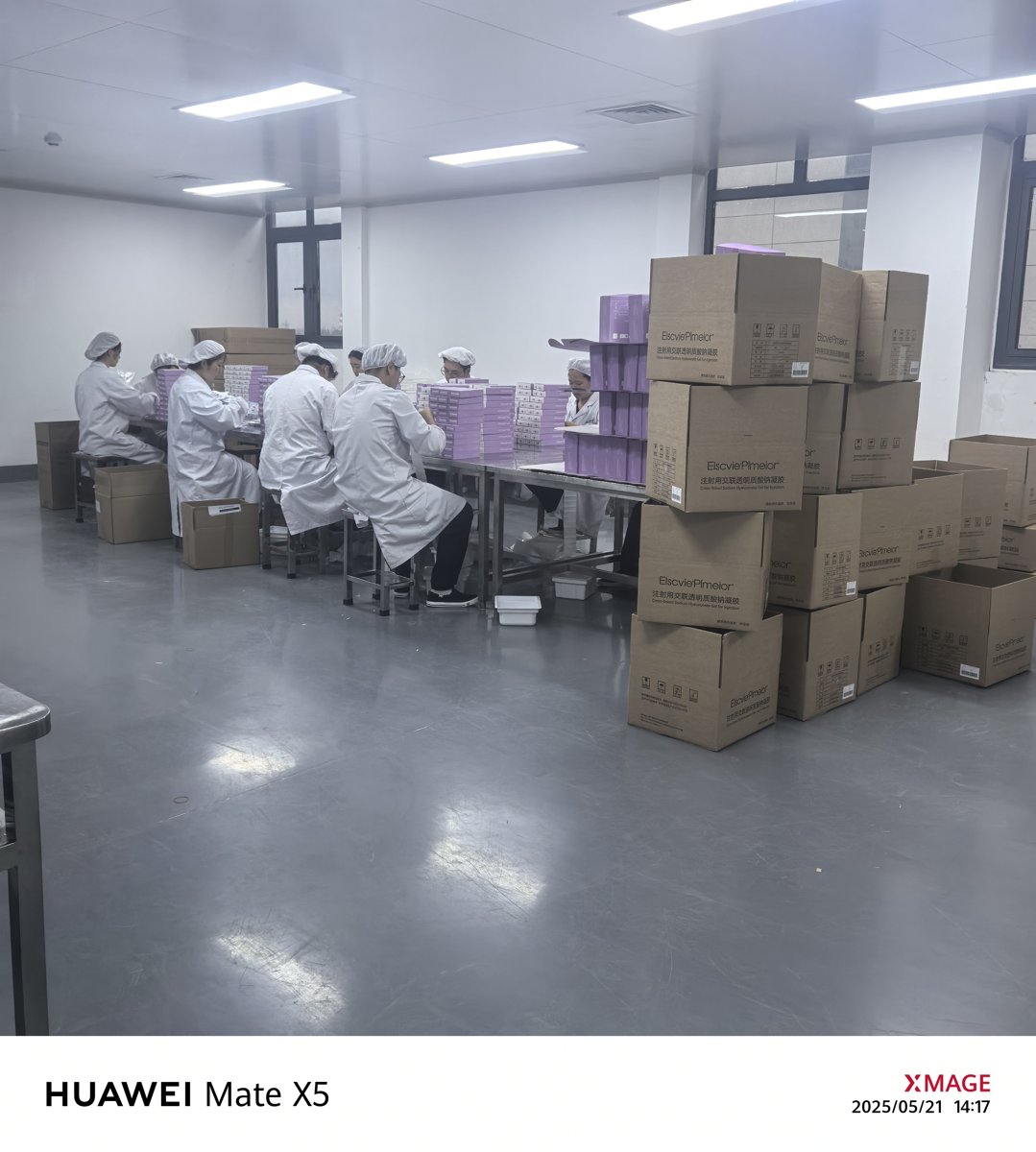
6. **Packaging** — units are packed into cartons and prepared for shipment.
## Why a cleanroom matters for spray cosmetics
Spray products come into direct contact with skin and are often water-based, which makes them vulnerable to microbial contamination. A cleanroom environment controls airborne particles and microbes through:
- HEPA-filtered air and positive pressure
- Controlled temperature and humidity
- Dust-proof clothing, gloves, and masks for operators
- Sanitized surfaces and tools
Manufacturers certified to ISO 22716 (cosmetics GMP) and GMPC follow documented procedures for every step, which is exactly what export buyers and retailers look for in an audit.
## What to check before choosing an OEM partner
When evaluating a spray cosmetic OEM or ODM partner, request evidence for:
- ISO 22716 and GMPC certification status
- Cleanroom class and air-quality monitoring records
- Batch traceability and retained sample policy
- Filling accuracy and leak-test data
- Microbiological testing reports
- Export documentation experience (MSDS, COA, certificates)
## FAQ
**Is cleanroom filling more expensive than regular filling?**
Cleanroom filling costs slightly more due to controlled environments and monitoring, but it significantly reduces contamination risk and rejection rates — usually the right trade-off for skincare products.
**Can a small brand order spray cosmetics with OEM filling?**
Yes. Most OEM partners offer flexible MOQs and full service: formula development, filling, packaging design, and export paperwork.
**How long does an aerosol filling order take?**
Lead time depends on formula stability testing, packaging availability, and order size. A typical first order takes 4–8 weeks including stability checks; reorders are usually faster.
**Do you need a special license to export spray cosmetics?**
Yes — aerosol and flammable products may require additional transport and customs documentation. An experienced OEM handles this as part of export service.